

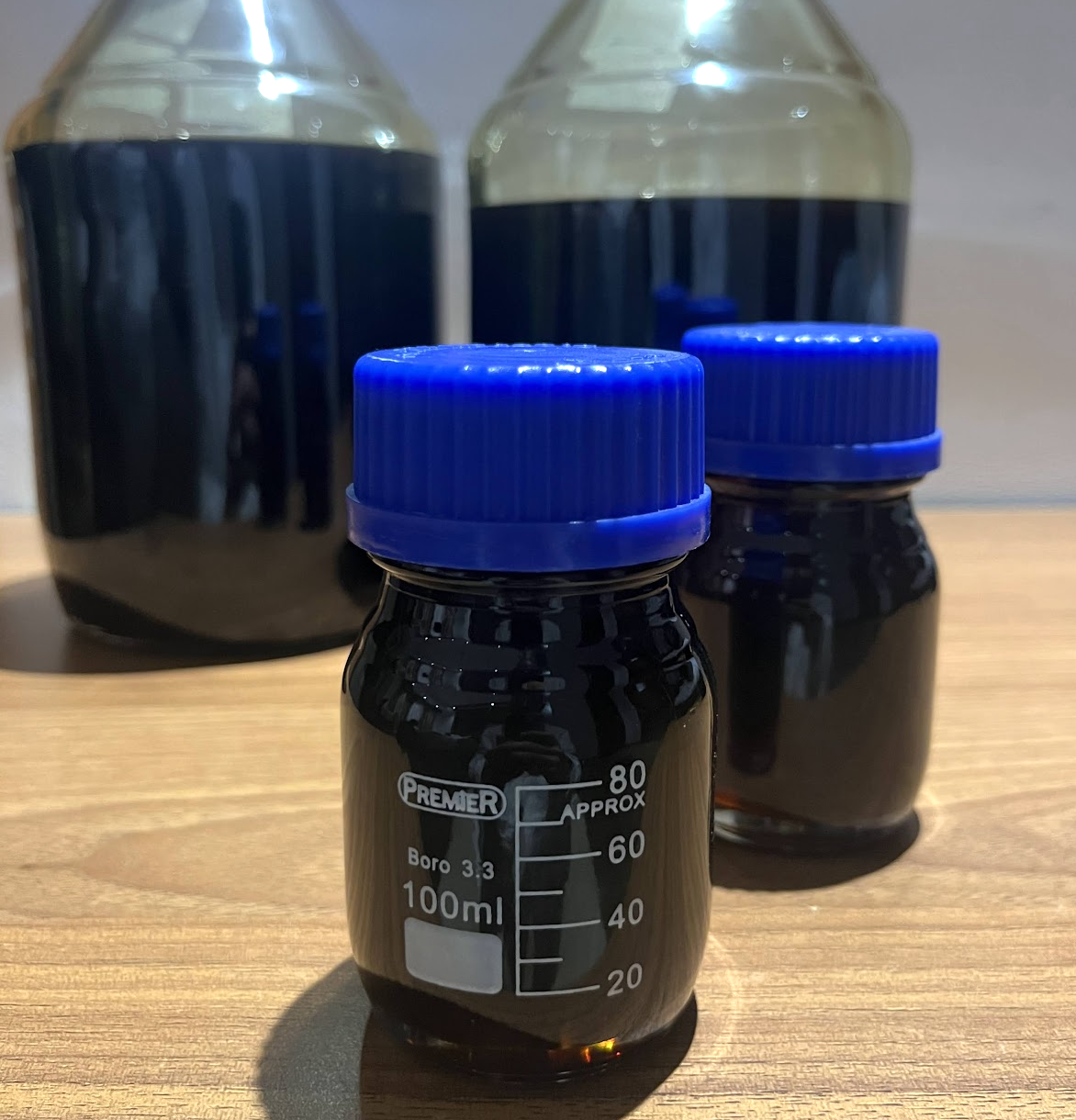
How to Tell If Your Oud Oil Is Real
A lot of people think the quality of oud oil depends on how thick or dark it looks.
But that’s not really true.
Thickness and color can easily be altered with waxes, dyes, or by mixing in other oils. Because of that, judging oud by appearance alone can be misleading.
When people ask, “How can I tell if an oud is good?” — this is what I usually share:
1. Trust your nose (with experience)
Try to notice scents that don’t belong to natural oud.
Sometimes it may remind you of common oils like olive oil or cooking oil.
Other times it can smell minty, overly floral, or just slightly “off.”
2. Check the longevity
True oud evolves and lingers on the skin.
If it disappears quickly, that’s usually not a good sign.
3. Pay attention to the layers
Real oud does not stay the same from start to finish.
It unfolds, opening sharp or smoky, then softening into sweeter or deeper tones.
If it feels flat and one-dimensional, it has likely been simplified or mixed.
At the end of the day
It’s okay to enjoy blends or even “non-pure” oils, as long as you are paying the right price for what you’re getting.
Oud KL
-

 Select options This product has multiple variants. The options may be chosen on the product page Quick View
 -
 Select options This product has multiple variants. The options may be chosen on the product page Quick View
 -
 Select options This product has multiple variants. The options may be chosen on the product page Quick View
 -
 Select options This product has multiple variants. The options may be chosen on the product page Quick View


